What event matters more than the Cannes Film Festival for a French film group as iconic as UGC? Every year, it's about meeting the people who count in the industry. To do this, UGC welcomes its distinguished guests every evening of the festival at the iconic Villa UGC. Let's see how they use Digitevent to manage this crowd.
The initial challenges
For years, Villa UGC has been an essential venue in Cannes for influential figures in the film industry. With this success came strategic and organizational challenges:
- Allow every member of the organizing team to manage their guests at any time, avoiding duplicates and respecting invitation rules.
- Manage different levels of access (from a guest for a single evening to a super VIP)
- Maximize participation in the event
- Control access and streamline check-in
- Be notified when certain VIPs arrive
- Use the data
Managing the guest database with the organizing team
Ahead of the festival, a member of the organizing team added an initial database of potential attendees to Digitevent by importing an Excel file.
Several custom fields are created to be used during the festival: Type (VIP, super VIP, blacklisted, etc.), Name of the person who invited them, Comment, Mobile phone, etc.
During the festival, the project manager at UGC shared access rights with members of their team to manage the event on Digitevent. They are responsible for distributing and managing invitations on the fly throughout the festival. They can add or edit an attendee, restrict an invitation to certain evenings only, authorize a plus-one, etc. Every update takes just a few seconds and can be made from any device, computer or smartphone.
Maximize participation in the event
Ahead of the festival, a member of the organizing team added an initial database of potential attendees to Digitevent by importing an Excel file.
Before each evening, a reminder SMS and email (with the dress code, access map, etc.) is sent. Recipients are filtered through Digitevent to target select guests. In addition, message variants are designed to personalize the communication for each guest. For instance, English speakers receive a message in English, and specific content is sent to actors and journalists!
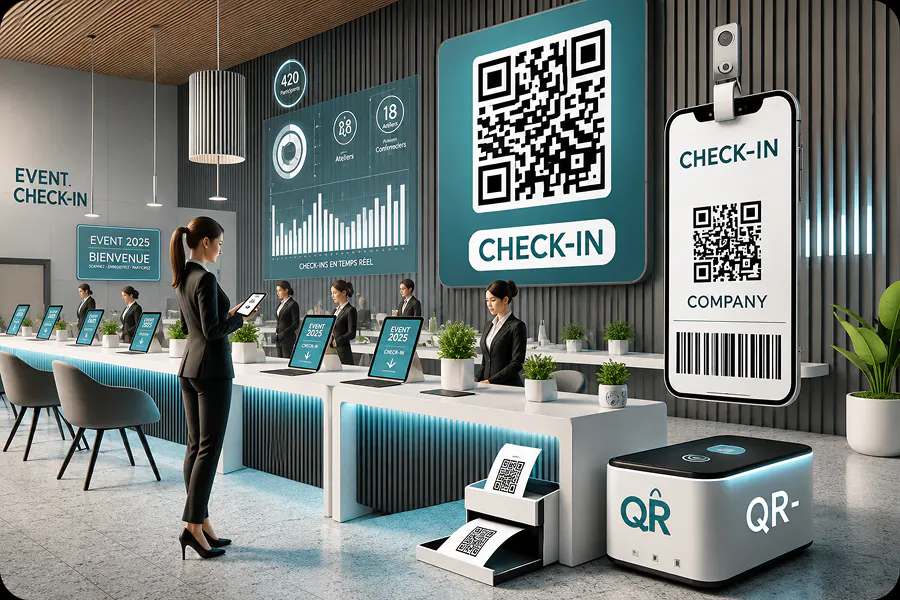
Control access and streamline check-in
A personalized electronic RSVP ("Répondez S'il Vous Plaît", French for "please respond") is sent ahead of the Festival to refine the list of those planning to attend. This gives the operational teams visibility into the meetings ahead of them. It also makes it possible to exclude no-shows from later email information campaigns (details about the evenings).
When a VIP arrives with a guest, the host can easily check that the invitee is allowed to bring a plus-one. If so, that person is counted as present and their details are recorded for future events.
The tablets sync automatically. If the connection were to drop, check-in would not be affected and the data would re-sync as soon as the connection is restored.
Be notified when certain VIPs arrive
Organizers are notified by SMS in real time when certain guests check in at the entrance of the event. This lets them greet these guests in person and not miss their arrival. Some guests also automatically receive a welcome SMS.
In addition, every organizer can check the arrival status of any guest at any time. They can also get a view based on specific criteria, to answer questions like: "Who are the journalists currently present?"
Use the data
In events, as in any field, practices need to improve over time. At Digitevent, we're convinced of the importance of data for making the right decisions.
Beyond the organizational time savings, here are a few insights UGC has drawn from recent editions of the Festival. First, they were able to analyze evening attendance based on the day and the type of guest. This made it possible to better anticipate flows and manage crowd levels. Arrival statistics were also cross-referenced with data from caterers and other vendors.
Finally, the data made it possible to assess attendance qualitatively and provide details to the staff in contact with guests throughout the year. It was useful to know who came, how often, with how many people, who didn't respond to the invitation, etc.