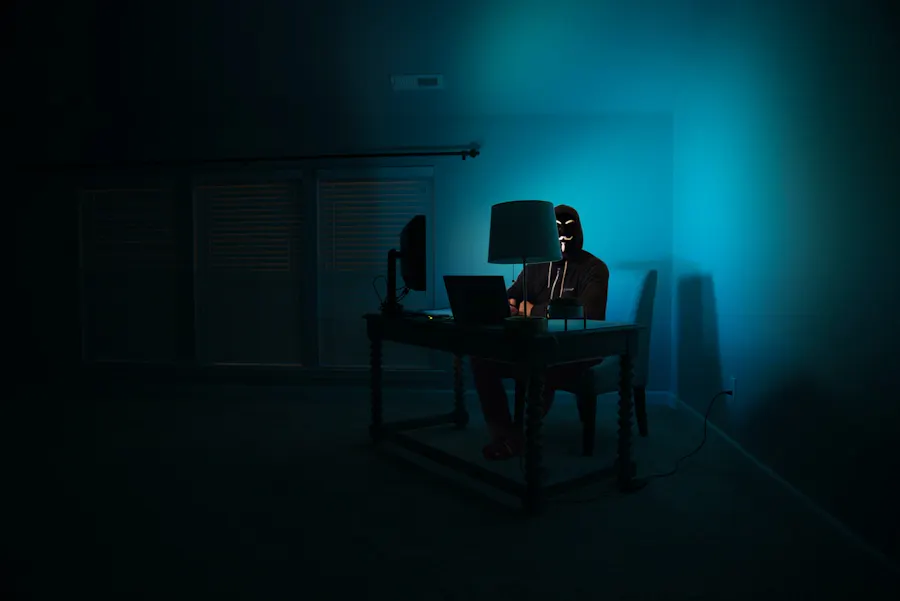
No system is foolproof. Just as IT has its hackers, the events industry has its own operator who exposes the flaws in a setup: the freeloader at best, the gatecrasher at worst.
Obviously, these techniques apply more to external events. It's hard to imagine someone trying to crash an internal event or seminar when none of the employees know them.
Since we're good sports and we learn from the security flaws pointed out by these whistleblowers, here's a list of the most common event gatecrashers...
...And also how to avoid them.
The first-name mix-up on the list, success rate: 10%
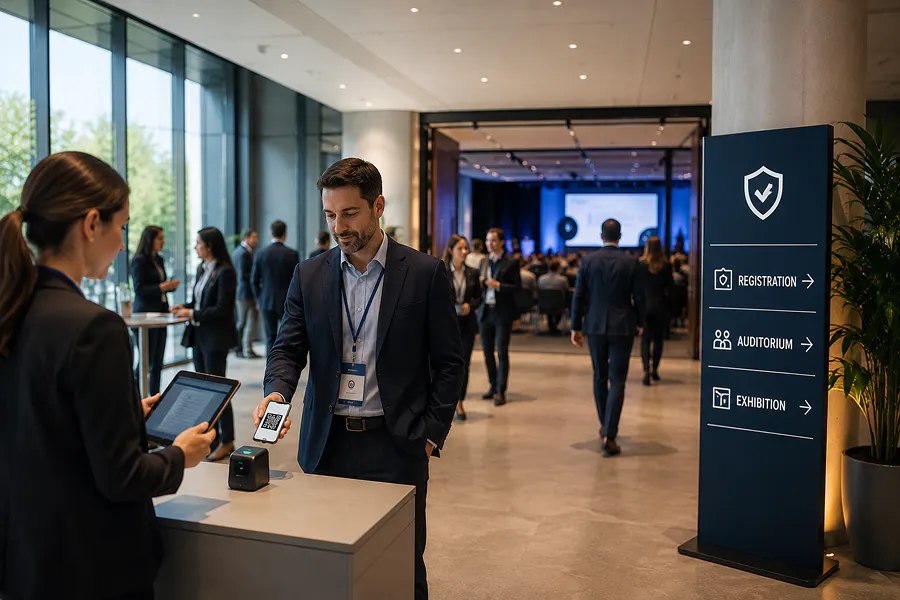
This classic technique works just as well at a party among friends the hacker wasn't invited to as at a more organized event. The idea is to pass yourself off as someone else by betting on the popularity of a common name. There's always an "Alexander," a "Thomas," or a "Julian" somewhere, no matter the time. "There's probably one on the list," the hacker tells themselves. The host or the security guard at the door has no choice but to believe it... Still, email confirmation with a QR code scanned at the entrance often stops this kind of low-grade technique from working (hence the 90% failure rate).
This minor impersonation rarely carries any legal risk for the person using it, but more importantly, it even more rarely gets them into the event. One variant is to confidently claim your name is on the list.
Impersonating someone on the list, success rate: 85%
It's midnight, the line is long, the gatecrasher isn't on the list, which is also very long. After managing to make out the name of a real guest, the impersonator claims that's them. Security has its flaws, and impersonation is one of them!
This technique, as old as cheat sheets hidden on rulers, does in fact work very often. Provided the list is visible and the event hacker shows no sign of nearsightedness.
The boldest will go as far as posing as a speaker, a well-known DJ, or the child of a celebrity they know for a fact will be attending (all to score free drinks, purely on nerve). This classic technique works just as well at a party the hacker wasn't invited to as at a more organized one, with security guards and an overworked staff. Event agencies, of course, are used to this kind of technique and are ready to deal with these impersonators.
There's often a chance the event organizer knows the person whose name was borrowed. That's what causes the 15% failure rate.
Creative nerve, success rate: 30%
This time the hacker poses as an exhibitor at a trade show, a journalist covering the event, or even a celebrity. Compared to the previous case, the gatecrasher invents a whole persona.
This type of entry fraud rarely works, since it depends so much on the tone of voice, physical appearance, or that spark of madness in the eye.
Misusing a fake identity depends heavily on the gatecrasher's personal magnetism.
This technique stands a better chance at a fashion week afterparty than at a new-build property trade show. And when it works, it looks more like an artistic performance than an incident. This technique boils down to: I wasn't invited, but please let me in, I'm hungry and I want to join this dinner.
Pure, plain nerve, success rate: 5%
Security usually turns away what amounts to the height of gatecrashing audacity. But sometimes, mysteriously, the technique works.
This type of hacker is highly charismatic.

The commando operation, success rate: 5%
Become the crowd, blend into the mass of people at a packed convention center. Hug the walls behind the security guards, climb over gates and walls.
A few camouflage experts, masters of infiltration, can boast of having slipped past an imposing security setup right under its nose.
There's also the old technique of slipping into a group and getting to know them.
Still, very few people who try this succeed, and the penalties are severe: broken legs, a night in the security office.
Bonus - The fake shareholder, success rate: 100%
First introduced in Merci Patron, this event hack is particularly spectacular and activist in spirit. As a reminder, François Ruffin bought LVMH shares, then, as a shareholder of the group, showed up at the general assembly to confront Bernard Arnault. More than an event hack, this gatecrash is a legal hack of corporate law. Elise Lucet pulled off a similar move at Kering's general assembly.
The result: getting thrown out of the event.
For organizers, rest assured, few people are motivated enough to buy shares just for one buffet a year.
To organize your event with peace of mind, there's Digitevent.
There are more and more events, and above all, more creative surprise guests. Some have even banded together in teams on the hunt for a good deal.
Gatecrashing is usually harmless. However, it can damage the reputation of professional event organizers (in the most extreme cases). Beyond that, it's always important to properly brief your security teams, and above all, to equip yourself with the latest event technology that lets you run your event smoothly.
With Digitevent, you can scan attendees at the entrance and digitize every check-in point. That solves both the timing problem and the geographic one. You can also get rid of paper lists, which waste both time and energy.
Now it's up to you to keep the event hackers out!